
Picture this. You are at a friend’s wedding. The food is wonderful, the music is alive, and you are finally relaxed after a long week. Then, without warning, your stomach clenches. A sharp cramp. A desperate urgency. You excuse yourself from the table, hoping nobody notices, and rush to find the bathroom. For most people, this is an awkward but isolated moment. For the more than 10 million people living with Inflammatory Bowel Disease around the world, it is simply Tuesday.
World IBD Day, observed every year on May 19th, exists because this kind of suffering is too often invisible, too frequently misunderstood, and far too commonly suffered in silence. Today, we changed that.
So What Exactly Is IBD?
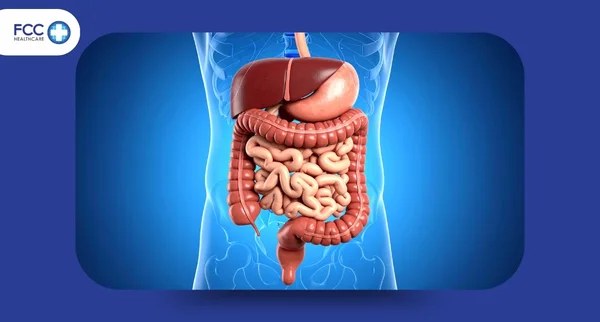
Inflammatory Bowel Disease is not a fancy name for an upset stomach. It is a serious, long-term condition in which the body’s immune system, the very system designed to protect you, gets confused and starts attacking the lining of your own digestive tract. Imagine your digestive system as a long tube running from your mouth to the other end. In a healthy body, that tube does its job quietly. In someone with IBD, parts of that tube become inflamed, irritated, and sometimes ulcerated, making the simple act of digesting food a painful ordeal.
IBD comes in two main forms. The first is Crohn’s Disease, which can affect any part of the digestive tract. The second is Ulcerative Colitis, which targets the large intestine and rectum specifically. Both are chronic, meaning they do not simply go away. They tend to follow a pattern of flare-ups, when symptoms get worse, and remission, when things settle down. Neither phase should be taken lightly.
How Does It Feel? The Symptoms You Should Know
IBD has a way of taking over a person’s daily life. The symptoms are not subtle. Frequent and urgent trips to the bathroom, sometimes more than ten times a day. Abdominal pain and cramping that can range from uncomfortable to completely debilitating. Blood in the stool. Unintended weight loss. Extreme tiredness that no amount of sleep seems to fix. And fever that comes and goes without obvious explanation.
What surprises many people is that IBD does not stay in the gut. It can cause joint pain that feels like arthritis, skin problems, eye inflammation, and even liver complications. The disease is ambitious in the worst possible way. It reaches far beyond the belly.
One of the most frustrating parts of IBD is how long it can take to diagnose. Because the symptoms overlap with so many other conditions, people sometimes spend years being told they have irritable bowel syndrome, food intolerance, or stress. The delay is not just inconvenient. It is genuinely harmful, because untreated IBD can lead to serious complications including bowel obstruction, malnutrition, and in some cases, an increased risk of colon cancer.
What Causes It?
Here is the honest answer: nobody knows exactly. What researchers do know is that IBD is not caused by eating the wrong food or living a stressful life. Those things can make it worse, but they are not the root cause. The most widely accepted explanation is that IBD develops when several factors collide at once: a genetic predisposition inherited from a parent or grandparent, an immune system that overreacts to the bacteria living normally in the gut, and environmental triggers that flip the switch.
Those environmental triggers include things like certain infections, a history of antibiotic use, diet, and even the shift from rural to urban living. This last point is particularly important for Africa and other developing regions, where IBD was once considered rare but is now being diagnosed with increasing frequency. As lifestyles change, so does the pattern of disease.
Can It Be Treated?
There is no cure yet, but there are real, effective ways to manage IBD and live well with it. Medications can reduce inflammation, suppress the overactive immune response, and help the gut lining heal. Newer treatments called biologics target the specific proteins responsible for triggering inflammation, and for many patients, they have been genuinely life-changing.
When medications are not enough, surgery to remove a badly damaged section of the bowel is sometimes necessary. This sounds frightening, but for many people it brings significant relief. Alongside medical treatment, diet plays an important supporting role, though no single diet works for everyone. What works is paying close attention to how your body responds and working with a doctor to find what suits you.
Mental health is part of the picture too. Living with a condition that controls when and where you can go, that flares unpredictably, and that others cannot see, takes a real psychological toll. Access to counselling, peer support groups, and open conversations with family and employers makes a measurable difference in quality of life.
Why IBD Day Matters
World IBD Day was started in 2010 by a group of patient organisations across Europe. Its message is straightforward: know the signs, take the symptoms seriously, and stand with those who are living with this condition every single day.
If anything in this article sounds familiar, please see a doctor. If someone you know has IBD, ask them how they are doing and really listen to the answer. If you are a healthcare worker, remember that behind every chart is a person who may have spent years feeling dismissed.
Your gut matters. The people who live with IBD matter. And awareness, the simple act of knowing and sharing what you know, is where everything begins.