
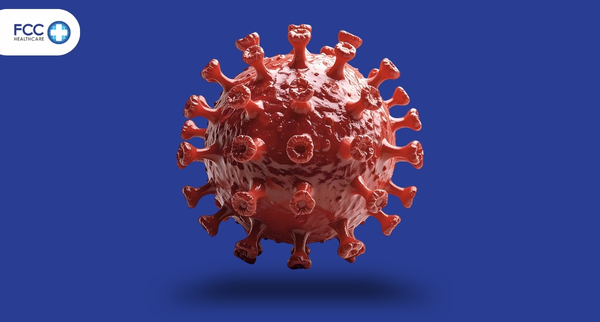
WHAT IS EBOLA?
Ebola Virus Disease (EVD) is a severe, often fatal illness caused by the Ebola virus, first identified in 1976 near the Ebola River in the Democratic Republic of Congo. It spreads through direct contact with blood, bodily fluids, or organs of infected people or animals, including wild animals like fruit bats, which are believed to be natural hosts. Unsafe burial practices that involve touching the deceased have also driven major outbreaks. The average fatality rate sits around 50%, though some strains have reached a devastating 90%.
RIGHT NOW: THIS IS NOT HISTORY
As of May 2026, the world is in the middle of an active Ebola outbreak. On May 15, 2026, the DRC confirmed a new outbreak in Ituri Province caused by the Bundibugyo virus, a strain for which there is currently no approved vaccine and no specific treatment. By May 16, there were 246 suspected cases and 80 suspected deaths across three health zones. Cases crossed into Uganda within 24 hours, reaching Kampala’s capital city. By May 25, Uganda had recorded seven confirmed cases and one death, including two healthcare workers.
A four-week detection gap between the first symptoms (April 25) and laboratory confirmation (May 14) allowed the virus to spread undetected, partly because it mimicked malaria and influenza. Four healthcare workers died within four days at Mongbwalu General Referral Hospital due to breaches in infection control. WHO declared a Public Health Emergency of International Concern (PHEIC) on May 16, 2026, marking this as the 17th Ebola outbreak in DRC since 1976. A previous outbreak, which ended December 1, 2025, had recorded 64 cases and 45 deaths with a 70.3% fatality rate. The ink was barely dry before this one began.
SIGNS AND SYMPTOMS
Symptoms appear 2 to 21 days after exposure, with an average of 8 to 10 days. A person is not infectious until symptoms begin, but anyone exposed must be monitored immediately.
Early signs (Days 1 to 5): Sudden fever, severe headache, muscle weakness, fatigue, and sore throat. These mirror malaria and typhoid, which is exactly why so many people miss it. The 2026 DRC outbreak was delayed in detection for this very reason.
Advanced signs (Day 5 onward): Bloody vomiting and diarrhoea, skin rash, unexplained bleeding from the gums, nose, or in stool, and failure of the kidneys and liver. Death, when it occurs, results from organ failure and severe fluid loss.
If you develop a sudden fever alongside recent contact with a sick person, a traveller from DRC or Uganda, or wild animals, do not self-medicate. Seek medical care immediately and disclose the exposure. Your honesty could save dozens of lives.
PREVENTIVE MEASURES
Prevention is not cowardice. It is wise to wear a face mask.
Avoid contact with infected individuals. Wear gloves, gowns, masks, and eye protection when caring for anyone suspected of having Ebola. The four healthcare workers who died in Mongbwalu in May 2026 are a reminder of what one breach in protocol can cost.
Hand hygiene saves lives. Wash hands with soap and water after contact with sick persons, before eating, and after using the toilet. Alcohol-based sanitisers work where water is unavailable.
Stay away from wild animals. Do not handle bats, primates, or forest animals with bare hands. Cook all meat thoroughly. Avoid bushmeat from unknown sources.
Safe burials matter. Trained teams must handle the bodies of those who die from suspected Ebola. The virus remains active in the deceased. Safety and dignity are not opposites.
Vaccination where available. The rVSV-ZEBOV vaccine (Ervebo) is effective against the Zaire strain but does not cover the Bundibugyo virus responsible for the current 2026 outbreak. WHO is urgently testing new candidates.
Strengthen health systems. Nigeria proved in 2014 that outbreaks can be stopped: 93 days, contact tracing, swift coordination, and Lagos was declared Ebola-free. Every African nation must keep that energy alive, especially now.
Fight misinformation. In Uganda in May 2026, frightened citizens burned hospital tents treating Ebola patients. Fear without facts is its own epidemic. Follow only the NCDC, WHO, and verified health authorities.
A FINAL WORD
People survive Ebola every day when care comes early and communities cooperate with health systems. The 2014 to 2016 West African outbreak, the worst in history, was stopped, not by magic, but by solidarity, science, and community trust. The May 2026 outbreak is a different beast: a strain without a vaccine, spreading across borders, arriving in capital cities. But the response is the same. Know the disease. Act quickly. Share the truth.
Know the name of the enemy. Know its face. And know that you, armed with the right information, are its greatest obstacle.